Two years after first writing about my ADHD and dyslexia: the small adjustments that worked, getting things out of my head, and the catch for founders.
Two years ago, during ADHD Awareness Month, I wrote about my ADHD and dyslexia in public for the first time.
I'd been reading other people's stories that month, and at some point I thought, do you know what, I'll share mine. It was a LinkedIn post. At the time, it was a big step for me.
I'd known about my brain since school. For most of my career I worked hard to make it less visible. If I'm honest, I was a bit ashamed of it, and I'd built a whole set of coping mechanisms to keep it out of view.
I was always good at starting things. Taking things on, saying yes to opportunities. Consistently delivering was where it broke, and for years that looked like overcompensating and feeling permanently behind.
I tried pretty much every system going. GTD, time blocking, Trello, Todoist, Asana, Notion. Every one of them worked for a bit, then it didn't.
So putting it in writing, where clients and people I'd worked with years ago could read it, felt like a risk. I worried they'd see a weakness I'd spent a long time compensating for.
The response was far kinder than I expected, from clients, colleagues and people I hadn't spoken to in years.
Looking back, that's when I decided to embrace the way my brain fires and start building around it.
What surprised me over the next two years was how small most of the changes were.
I theme my days, so I'm not switching between five kinds of work before lunch. I manage my time around energy more than the clock. I write things down before they vanish, or more often say them out loud into my phone.
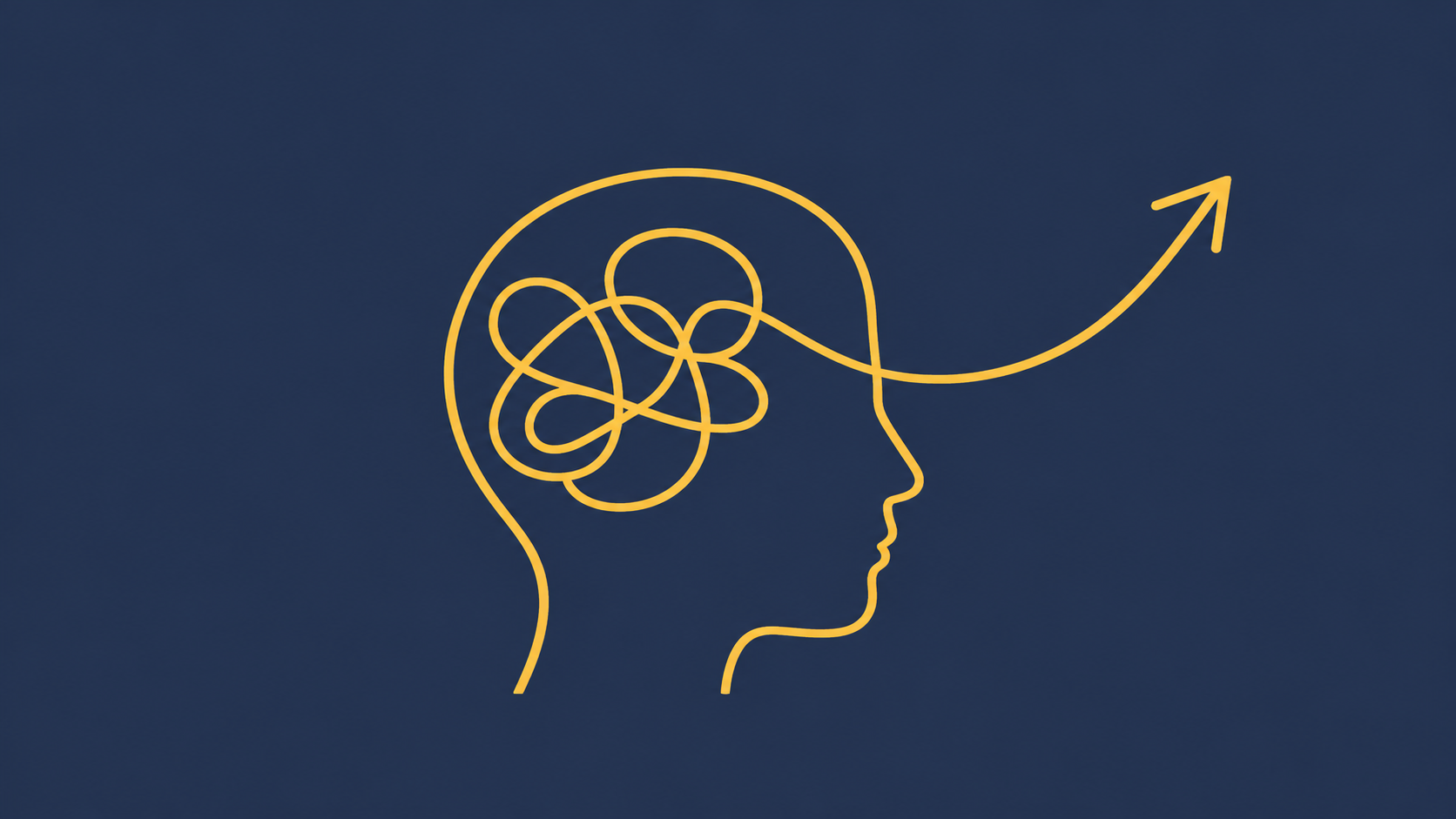
The big shift was learning to get things out of my head. For years my head was doing two jobs, thinking and storing, and it's only ever been good at one of them. Now I externalise as much as I can into AI. Voice notes go in, and AI sorts what's an idea, what's an action and what actually matters this week.

Over time that's become a proper operating system. It's changed how I handle structure, time and, the big one for me, actually finishing things. It isn't perfect, but it's been a huge turnaround.
None of it is particularly exotic. That's rather the point.
Starting a business can be a brilliant way to build work around the way your brain actually works. You set your own rhythm and build the environment that helps you do your best work.
But there's a catch. If the business grows without the right systems, it starts building itself around your brain too.
The decisions queue up waiting for you. Important context lives in conversations nobody else heard. Leadership turns into firefighting. AI helps one or two people but never becomes part of how the team works. New business still depends on the founder being in the room.
I see that pattern constantly in the founders I work with, and it isn't exclusive to neurodivergent founders. Too much of the business still lives in one person's head.
The main thing is that we're all different, and the adjustments people need are usually small. There's still a stigma, and plenty of bad press. I think it's crazy how badly so many organisations still get this wrong, when most of what helps is close to common sense.
These days a lot of my work is helping founders, leaders and teams build workflows around the way their brains actually work, drawing on twenty-odd years of lived experience and a few years of doing this with AI.
That's also why I'm running Founder Brain 2026. I'm interviewing founders, neurodivergent or not, about how they think, work, sell and lead, and what happens when too much of the business depends on one person.
If you'd be up for a 20-minute conversation, I'd love to hear from you.
-----
Dan Caplin is the founder of Workflow Intelligence, working with founder-led and creative businesses to design systems for growth, operations and leadership. Through Beyond Divergence, he shares research and community for neurodivergent founders.
If this sounds like your week, tell us where the work's stuck. We'll tell you honestly whether we can help and where we'd start.
.png)